...document along with the arbitration clause therein is incorporated. This happens, for instance, when the standard form contract of one party is stated to form a part of the parties’...
...mean a priori and per se that it is not a party to it or to the arbitration clause contained therein. Indeed, in most legal systems, the conduct of an...
...for appeals on a point of law on an opt-out basis. Section 69(1) of the Act provides that “[u]nless otherwise agreed by the parties, a party to arbitral proceedings may...
...be skeptical of any mediator from the country of another party. Mediation rules occasionally include a default mediator selection process designed for parties from different countries. The mediator from a...
...Japan is currently a party to 25 investment treaties, consisting of 15 BITs and ten EPAs containing investment chapters. These 25 treaties can be categorized into three groups. The first...
...It generally depends on municipal law and hence differs from jurisdiction to jurisdiction. More often than not, disputes of a public nature or those having an impact on third-party rights,...
...remain nowhere to be found or have never been in the possession of the client, but are at the disposal of a third party. Winning or losing a case may...
...of the arbitral award will be refused on the ground that the party that requested disclosure in the United States was denied the right to present its case in the...
...prevail in the world, i.e. (i) that costs should follow the event and (ii) that each party should bear his own costs and half of the institutional and other costs...
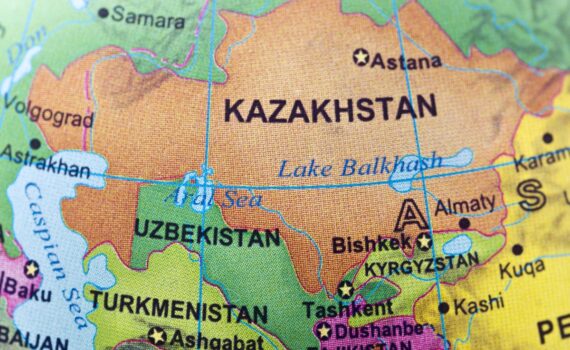
...the disclosure and regulation of third-party funding, addressing specific concerns in cases against Kazakhstan and other Central Asian states. Analysis of Pushback against the Energy Charter Treaty Reimschussel discussed the...
...laws, equity and policy may intervene on behalf of an aggrieved party seeking a remedy against a biased arbitrator at the pre-award stage. There are tools, though often imperfect, to...
...with disputes involving the State as a party, the New York Convention has a broader scope to include disputes involving “persons whether physical or legal.” The ICSID Convention, unlike the...
This website uses cookies as well as similar tools and technologies to understand visitors' experiences. By continuing to use this website, you consent to Columbia University's usage of cookies and similar technologies, in accordance with the Columbia University Website Cookie Notice.